


Float tanks vs meditation: which is right for you?
Float tanks vs meditation: which is right for you?
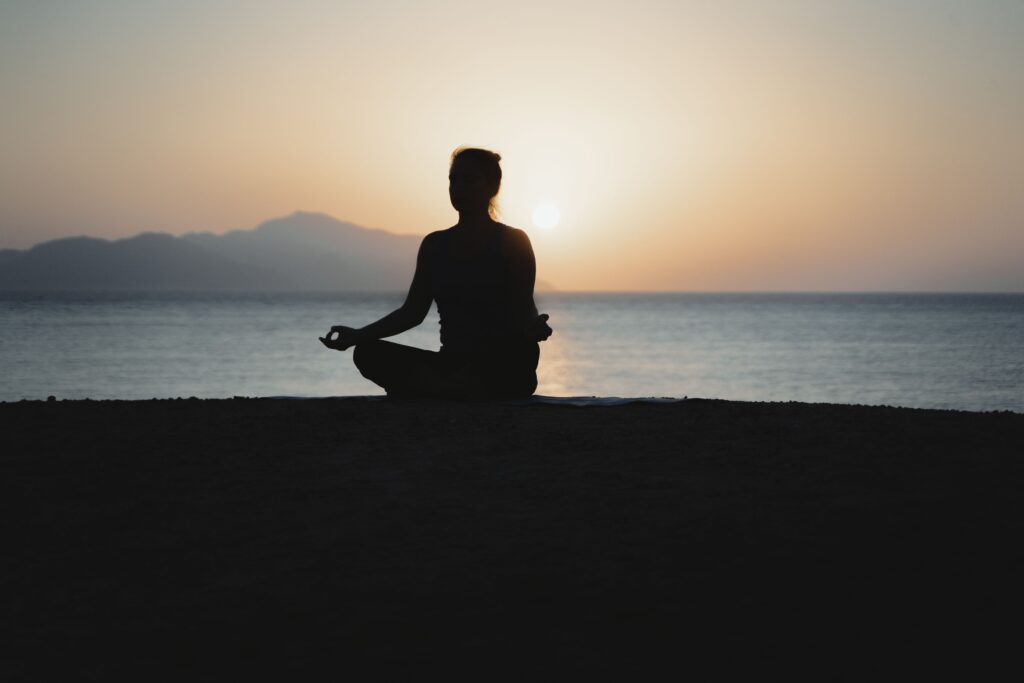
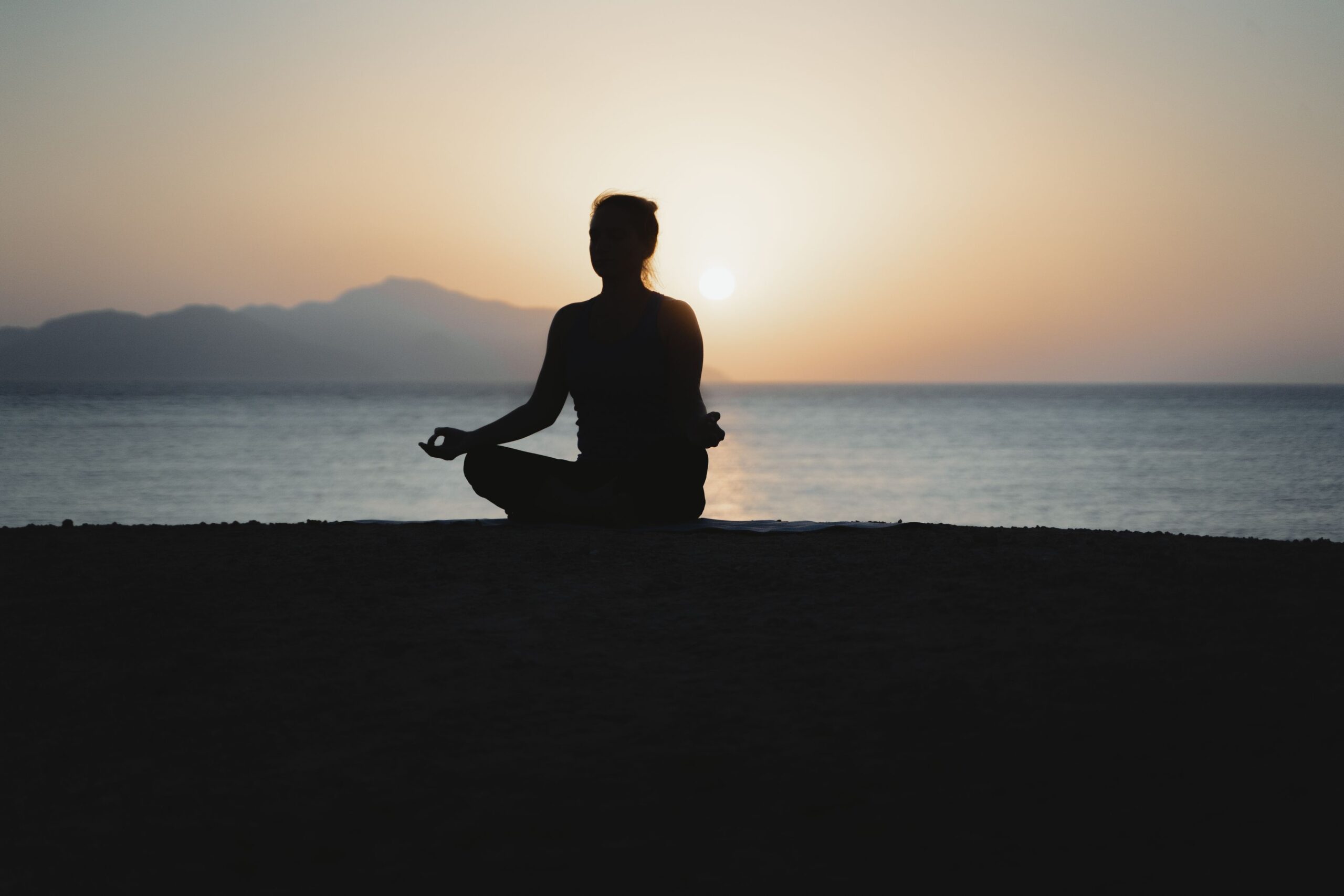
Meditators have been quietly recommending float tanks for decades. Float users have been calling the experience “meditation on easy mode” for just as long. Both groups are circling something true. The relationship between the two practices is more interesting than either world’s marketing tends to admit.
The short version: they aim at the same thing through opposite routes. Meditation builds the skill of quietening your own nervous system, slowly, over years. A float tank does the work for you, in an hour, by removing every input your nervous system has to react to. Both work. They suit different people for different reasons, and they often work best together.
Here is the longer version.
What both practices actually share
Strip away the imagery on either side and the physiology overlaps a lot more than you might expect.
Meditation and floatation both produce a measurable shift away from sympathetic nervous system dominance (the gas pedal) and into parasympathetic activation (rest and digest). Heart rate variability improves. Cortisol drops. Blood pressure tends to ease. EEG studies of experienced meditators and people in float tanks both show movement towards theta brainwave states, the slower frequencies associated with deep rest, hypnagogia, and the moments just before sleep.
The destination is similar. Calmer nervous system. Better sleep. Less anxiety. The occasional creative insight that arrives uninvited. The path is what differs.
How meditation works (briefly, respectfully)
Meditation is a trained skill. You sit. You direct your attention somewhere on purpose, usually the breath, sometimes a mantra, sometimes an open awareness of whatever’s in the room. Your mind wanders. You bring it back. You repeat that, several thousand times, over several thousand sessions, and over months and years your nervous system gradually rewires itself to be calmer at baseline.
It needs no equipment. It costs nothing. It scales infinitely. The downside is that the front end is hard. Most people who try meditation quit within a few weeks because progress feels invisible at first.
How float works
Float is environmental, not attentional. You don’t have to do anything mentally. The room does it for you.
Around 500kg of Epsom salt dissolves into shallow water in a private room. The salt makes the water dense enough that you float without any effort. The water sits at skin temperature, so the boundary between body and water disappears. The lights go off. There is no sound. Nothing for the brain to process.
Sensory input is what keeps the nervous system alert. Take it away, and the brain has nothing to scan for. After ten or fifteen minutes most people land in a state remarkably similar to deep meditation. No technique required. (If you want the full picture, read what floatation therapy actually is.)
Where they overlap
People who do both report similar after-effects. A particular kind of mental clarity that lasts hours. Better sleep that night. Reduced anxiety the next day. A quieter inner voice for a while afterwards. Solutions arriving for problems that had been stuck.
If you’ve ever read about float and thought “that sounds like what experienced meditators describe”, you weren’t wrong.
Where they diverge
This is the more useful comparison.
Time to first effect. Meditation needs daily practice over weeks or months before measurable change shows up. The Laureate Institute studies on float (Feinstein and colleagues) consistently show meaningful drops in anxiety and cortisol after a single one-hour session. Float gives you a taste of the destination immediately. Meditation makes you climb.
Cost. Meditation is free. Float costs money per session. That matters.
Portability. Meditation goes wherever you go. A train, a hotel room, ten minutes between meetings. Float requires a centre.
Evidence base. Meditation has decades of research across thousands of studies. Float research is younger, smaller in volume, but specific and growing fast. Both are legitimate. The meditation literature is broader.
Skill curve. Opposite directions. Meditation gets easier with practice; the first weeks are the hardest. Float doesn’t really require skill at all, and many people report the first session as the most striking.
What it asks of you. Meditation asks for sustained attention. Float asks for nothing. For some people that distinction is everything.
Who meditation suits better
If you have a daily routine you can protect, the patience for slow progress, an interest in building a tool that scales for the rest of your life, and you don’t want to be reliant on a venue, meditation is probably your starting point. Apps like Waking Up or Insight Timer do the structure for you.
It also tends to suit people who already have some quiet inside them, and want to develop it further. The first few weeks are about finding out you can sit with your own thoughts. That’s harder when your thoughts are very loud.
Who float suits better
If you’re time-poor, struggle to make meditation stick after multiple attempts, deal with overstimulation as a default state (ADHD, autism spectrum, post-trauma, perimenopause, chronic stress), or your anxiety has the kind of texture that resists pure attention work, float tends to land more easily.
The reason is simple. If your nervous system is wound up enough that you can’t focus your attention on the breath, telling you to focus your attention on the breath is the wrong intervention. Float removes the prerequisite. There’s nothing to focus on, so there’s nothing to fail at.
A lot of people who “can’t meditate” find the float tank easy. Here’s what to expect from a first float.
The combination move
Experienced meditators often report that floating makes their practice deeper afterwards. The body lands in a state that took years to access through sitting alone, and the post-float meditation hits differently.
Two ways to use them together. Float first, then meditate, when you want a deeper session than usual. Or use float as a reset when daily practice has slipped. A single float can drop you back into the place your practice usually takes you, without the weeks of rebuilding. (Float also pairs well with sauna and massage if you want to build a full recovery session.)
The honest read
This isn’t either/or. Meditation and float solve overlapping problems through different routes.
Meditation builds capacity over years. Float gives you the experience of the destination without the climb. Neither replaces the other. They’re complementary tools for the same nervous system.
If you’ve been meditating for a while and want to deepen the practice, try a float. If you’ve tried meditation three times and bounced off, try a float. If you do both, try them together.
What you actually need is whichever one you’ll keep doing.
You might also like
- First time floating: what to actually expect
- The real benefits of floatation therapy
- Why float, sauna and massage work better together
- Why recovery is the missing piece in your fitness routine
Try a first float
If you’re curious, the easiest way to find out which one suits you is to try the one you haven’t. Most people who walk in for a first float at being leave saying it felt like the deepest hour of rest they’d had in years. Some go home and start a meditation practice the next week. Some don’t. Both responses are fine.
being opens in St Albans in summer 2026. Join the waitlist to book your first float — open pool, private room, sixty minutes, no skill required.
